Are We Optimizing Away Our Humanity?
This morning, I caught myself doing that thing again — standing in front of the bathroom mirror, mentally cataloging all the ways I could be "better." Better body (I'm down 25 pounds but why stop there?). Better mind (maybe another productivity app would help). Better personality (more outgoing, less overthinking). Better career trajectory, better parent, better spouse.
Then it hit me: at what point does being "better" mean becoming someone else entirely?
I've spent a lot of time in the self-improvement space. My browser history is filled with articles about optimization, productivity hacks, and "10 ways to be your best self." My Kindle library looks like a personal development bookstore threw up in it. And yes, I've made positive changes — learning to manage my ADHD, developing healthier habits, working on being more present.
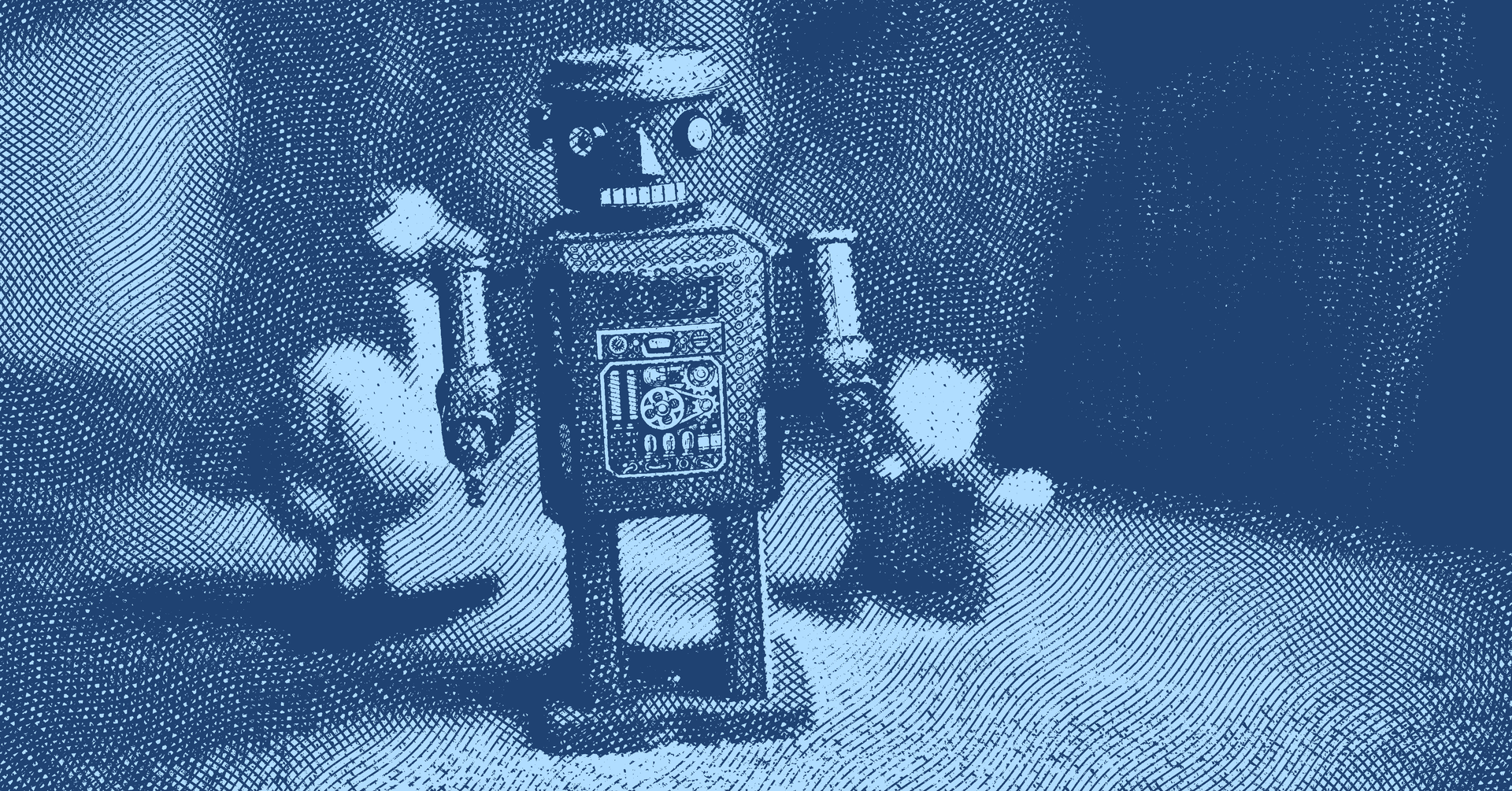
But lately, I've been questioning the underlying message of the self-improvement industrial complex: that who we are right now isn't good enough. That we need to be fixed, optimized, upgraded — like smartphones waiting for the next OS update.
Here's what they don't tell you about constant self-improvement: it can be a form of quiet violence against yourself. Each time we absorb the message that we need to be "better," we're subtly telling ourselves that our current version is somehow defective. Every new program, course, or lifestyle change carries the implicit message: "You're not enough as you are."
I see it in my own life. That voice that says my natural tendency to analyze deeply (hello, overthinking) needs to be "fixed." The pressure to transform my introverted nature into something more marketable. The constant push to optimize every aspect of my existence until I'm running at peak efficiency.
But what happens when we succeed in all this improvement? When we've smoothed out all our rough edges, optimized all our processes, bio-hacked our bodies and minds into peak performance?
I'll tell you what happens: we risk losing the very things that make us uniquely human. Those quirks and imperfections that make us real, relatable, and authentic.
The other day, my son asked me about a story from when I was his age. As I was telling it, I realized how many of the characteristics that made that story interesting – my curiosity, sensitivity, tendency to get lost in thought — were things I've been trying to "improve" out of existence.
Don't get me wrong — I'm not against personal growth. Some of the changes I've made have genuinely improved my life and relationships. Learning to manage my ADHD symptoms, developing better health habits, working on communication skills — these have been valuable improvements.
But there's a difference between growth and transformation, between building on who you are and trying to become someone else entirely.
Maybe instead of constant improvement, we need selective enhancement. Instead of trying to fix everything about ourselves, what if we focused on building upon our natural strengths? What if we saw our quirks as features rather than bugs?
For instance, my overthinking tendency — while sometimes challenging — also makes me a more empathetic friend and a more thorough problem-solver. My introversion allows me to listen deeply and write reflectively. Even my ADHD, while often frustrating, gives me a unique way of seeing connections that others might miss.
Before embarking on any new self-improvement journey, I'm learning to ask myself:
- Am I fixing something broken or erasing something unique?
- Who am I really doing this for?
- What parts of myself am I willing to lose in this process?
- What if I'm already "enough"?
The truth is, we're all works in progress, but that doesn't mean we need to be constantly under construction. Sometimes the bravest form of self-improvement is learning to accept parts of ourselves that society tells us need to be fixed.
Standing in front of that mirror this morning, I made a decision. Instead of cataloging improvements, I tried something different: I looked for things to appreciate. The laugh lines that show I've found joy. The way my eyes light up when I talk about something I'm passionate about. The strength that comes from surviving difficult times while staying true to myself.
Because maybe the best version of ourselves isn't some highly optimized, perfectly efficient human machine. Maybe it's just us — messy, imperfect, but genuinely ourselves.