The Water Is Getting Deeper

For a while, I stepped away from writing here. The questions that originally led me to start Digital Waters never really disappeared, but I found myself thinking about them more quietly, noticing them in everyday moments rather than trying to capture them immediately in essays.
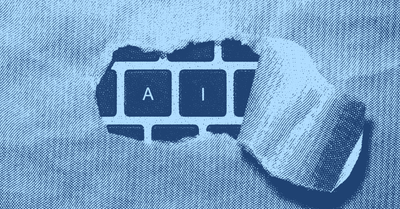
Over the past few years, the digital world has quietly changed. The systems we use every day are becoming more powerful, more automated, and in many ways more invisible. Algorithms decide what we see. Recommendation engines influence what we watch and read. AI tools can now draft emails, summarize articles, generate ideas, and increasingly imitate forms of thinking that once felt uniquely human.
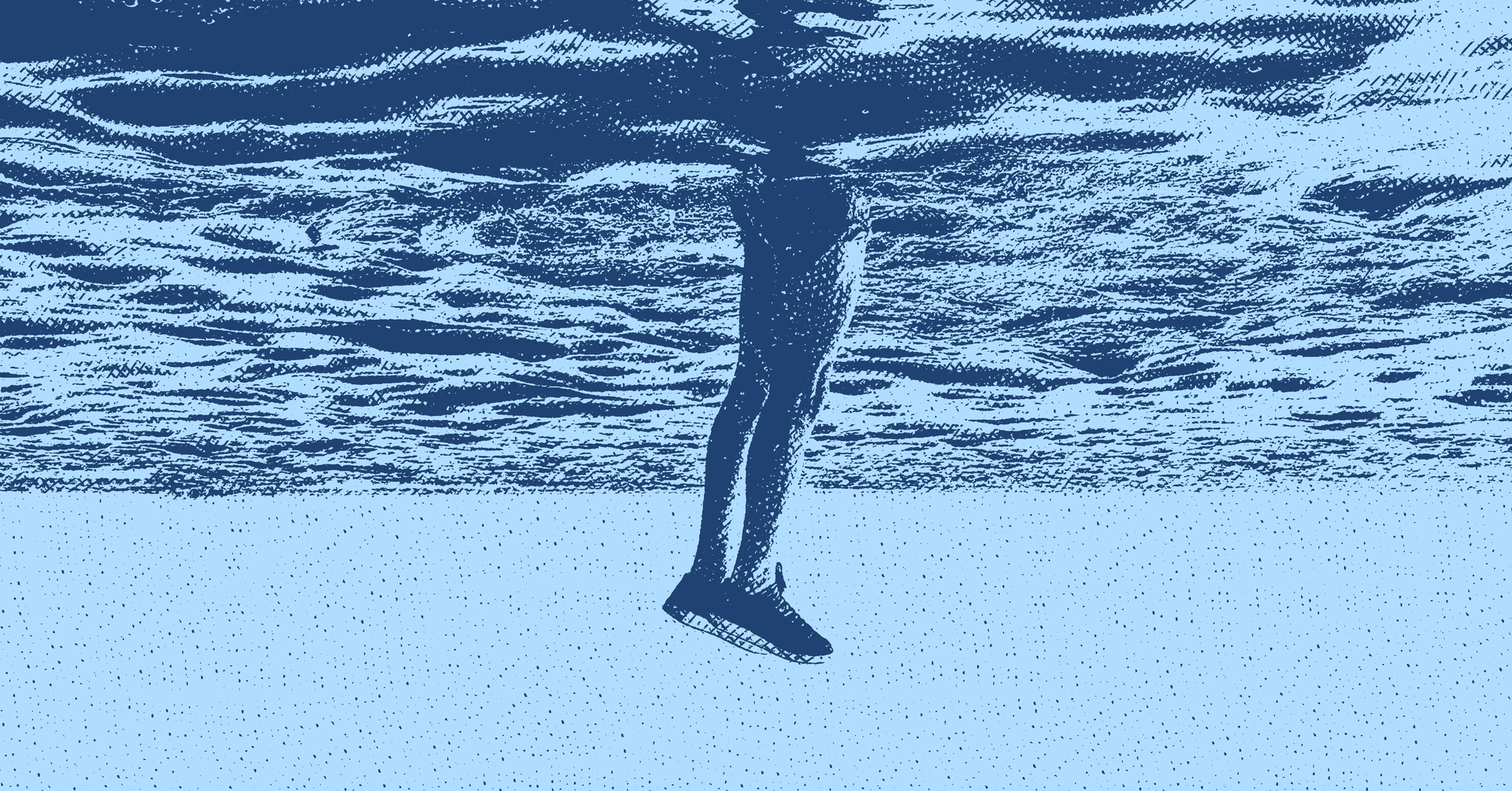
Most of the time, however, we barely notice these systems operating around us. Like fish in water, we adapt to the environment we’re swimming in without stopping to examine it very closely.
That observation has always been the idea behind Digital Waters. The name came from the realization that when something surrounds us constantly, it becomes surprisingly difficult to see clearly. The digital environment is now like that. Platforms, feeds, metrics, algorithms, and AI systems quietly shape how we work, communicate, create, and spend our attention. Yet because they are so embedded in everyday life, they often fade into the background.
This publication exists as a small pause within that environment. It is not written from the perspective of someone rejecting technology or wishing the internet would disappear. Nor is it written from the perspective of someone trying to optimize every interaction within digital systems. Instead, it comes from the vantage point of a generation that remembers life before the internet but now lives fully immersed in the algorithmic present.
Those of us in that position occupy a strange middle ground. We remember wandering through the early web and discovering things accidentally. Technology felt like a set of tools we used when we needed them. Today, the relationship is different. Digital systems are no longer simply tools we pick up and put down; they increasingly function as environments that shape what we encounter, what we choose, and sometimes even what we think.
That tension is what I want to explore here moving forward.
The next set of essays will be part of a series called Analog to Algorithms. The series looks at the experience of growing up analog and then gradually finding ourselves inside a world shaped by algorithmic systems. It will explore questions about convenience and choice, efficiency and craft, exploration and curation, identity and metrics, and the shifting role of human judgment in an age where machines increasingly offer suggestions.
The goal is not to arrive at neat answers or definitive conclusions. Instead, the aim is to notice the environment we are living in while it is still evolving around us.
Because the water is getting deeper, and it seems worth taking the time to understand it.
If you’ve been sensing this shift too, I hope these essays help make the water a little more visible.