Unmasking the Illusion of Perfection in the Digital Age

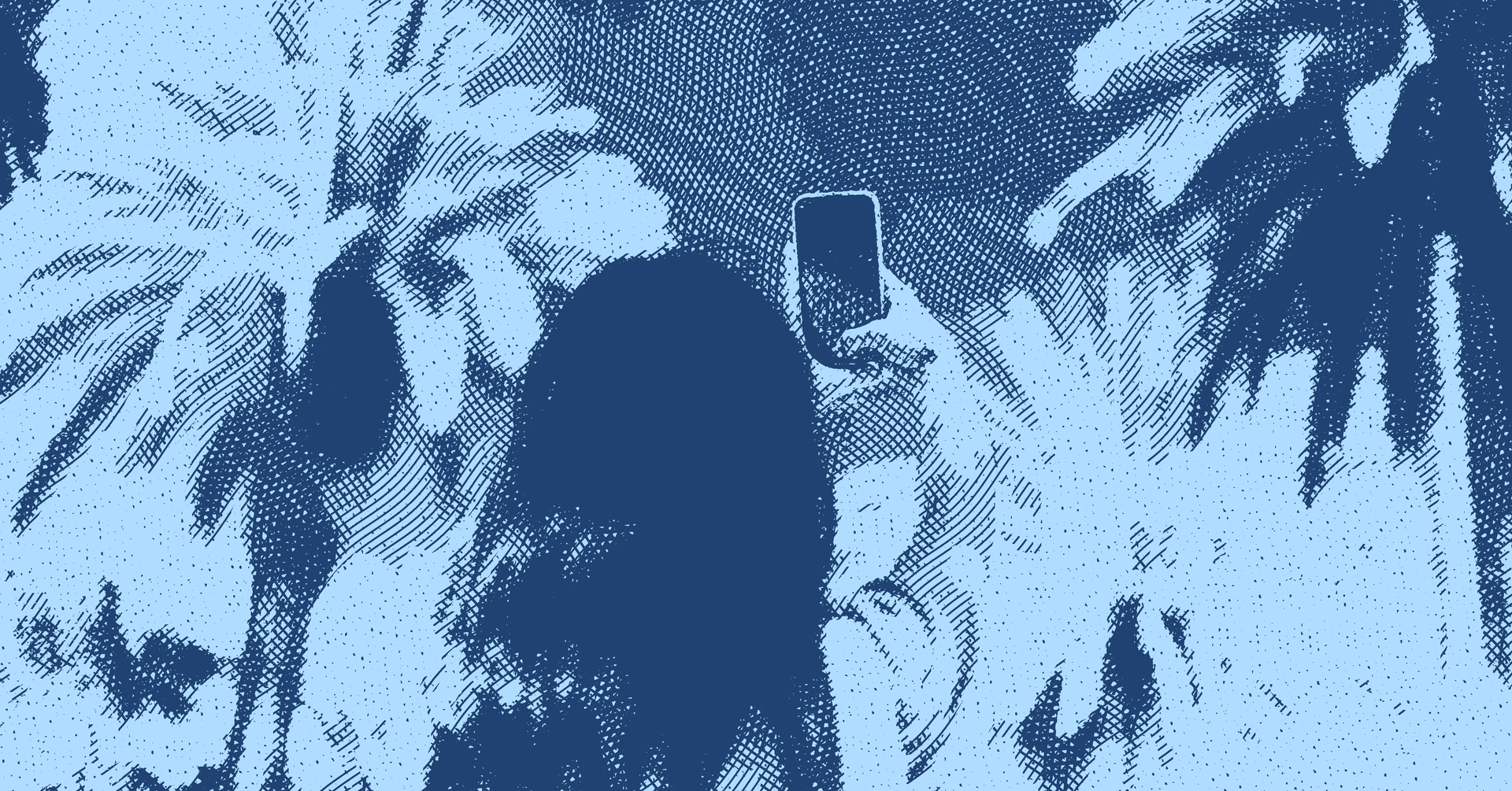
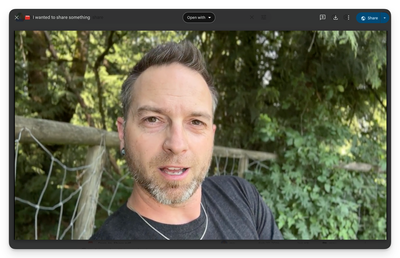
"Caught this spontaneous moment of joy!" the caption under a sunlit, laughter-filled Instagram video reads. Yet, one can't help but wonder, was it really spontaneous, or just another well-rehearsed, well-edited illusion?
The Illusion of Reality on Social Media
In an era where social media consumption is at an all-time high, the lines between reality and staged content have blurred. Instagram and TikTok are brimming not just with meticulously arranged photos but also with videos that, despite their 'caught-in-the-moment' charm, are often anything but spontaneous. These platforms have become stages where everyday life is performed rather than lived, with carefully scripted narratives masquerading as candid snapshots of life.
But it's not just about the images. The 'spontaneous' videos — be it a perfectly timed joke, an impromptu dance, or a slice-of-life scene — are typically the product of detailed planning, rehearsals, and multiple takes. The charm of these videos lies in their perceived authenticity, their ability to make the viewer believe in the spontaneity of the moment.
Why We Pretend: Psychological Aspects
This brings us to an intriguing psychological question: why do we willingly embrace this illusion? The answer lies partly in our natural predilection for storytelling. Just as we lose ourselves in the fictional worlds of movies and books, knowing full well they are not real, we similarly engage with social media. Our brains are wired to enjoy narratives and dramas, even more so when they are packaged in relatable, bite-sized content that social media platforms offer.
Moreover, there's a psychological phenomenon at play known as 'social comparison theory.' We constantly evaluate our lives in relation to others, and social media serves as a fertile ground for this. When we see a video of someone achieving something or simply having a good time, it sets a benchmark, albeit an unrealistic one. We're drawn to these stories, even if they are embellished, because they present a possibility of life being better, more exciting, or more fulfilling than our own.
The Impact of Pretending
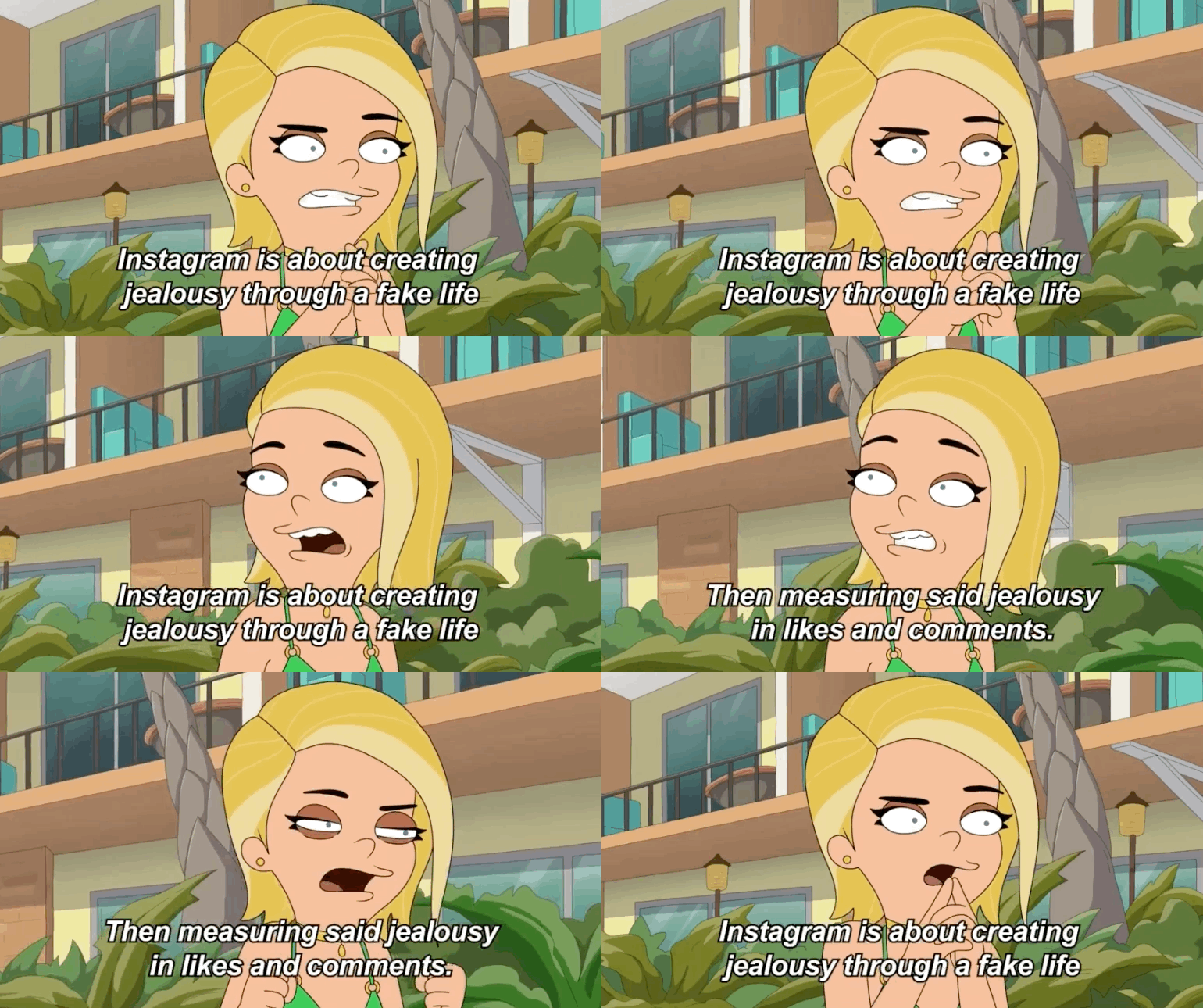
The continuous exposure to such content, however, is not without consequences. When the line between staged and real-life gets blurred, it can lead to a host of psychological challenges. For starters, it sets up unrealistic expectations. People begin to measure their own, often mundane, lives against the highlight reels of others, leading to feelings of inadequacy, anxiety, and even depression.
To an extent, it feels like everybody around us is faking it. Very few of us truly feel as fulfilled, successful, or satisfied as we let on, but we all smile and say “oh, everything’s fine”. All the while, we post artifice online in the hopes that someone will pay attention and acknowledge our existence.
The impact extends beyond the individual. It cultivates a culture where authenticity takes a backseat, and perceived perfection becomes the norm. This can strain interpersonal relationships, as people strive to live up to the standards set by these manufactured realities, often at the cost of genuine connections and experiences.
Behind the Scenes: The Making of a Social Media Post
Peeking behind the curtain of these 'spontaneous' posts reveals a less glamorous, more calculated process. From selecting the right angle, lighting, and background to rehearsing expressions and dialogues, each element is carefully crafted. Some creators have spoken out about the pressure to maintain this façade. They describe hours of preparation for a single post and the mental toll of constantly projecting an idealized version of their lives.
This past week alone, I’ve seen a handful of prominent YouTubers announce that they’re quitting (leaving behind millions of subscribers in the process). What once began as a noble pursuit of creativity has become a grind. The constant worry about appeasing algorithms and fickle fans has left many a creator drained.
We may feel like we know these creators and they’re sharing their real lives, but the editing process plays a crucial role. What we eventually see is a refined version, stripped of all blemishes, mistakes, and, most importantly, reality. This not only misrepresents the creator's life but also sets an impossible standard for viewers who compare their unedited lives with these polished portrayals.
The Role of Technology and Algorithms
Fueling this cycle are the social media algorithms themselves. Platforms are designed to promote content that engages users the most – and what engages users? Content that is visually appealing, emotionally resonant, and seemingly 'perfect.' These algorithms inadvertently encourage creators to produce more staged content, as it's more likely to get likes, shares, and comments.
Technology, too, has played its part in distorting reality. Advanced editing tools, filters, and effects available at our fingertips have made it easier than ever to transform the ordinary into the extraordinary. They allow for the creation of content that adheres to the unwritten standards of beauty, humour, and lifestyle that dominate these platforms.
With AI, deepfakes, synthetic voices, etc. there’s no way to really know if we’re seeing anything even approaching reality. It’s gotten that difficult to discern whether what we’re seeing and hearing is real or a fabrication. And this is just the beginning. I’ve already seen “influencers” that are entirely created by AI. They portray themselves in real world scenarios as though they’re human, but it’s all an elaborate illusion.
Social Media vs. Reality: Notable Examples
The 'Instagram vs. Reality' trend that took the internet by storm was a revelation. It juxtaposed the polished, edited, and staged photos and videos with their unedited, real counterparts. This movement shed light on the extent of staging involved in creating 'perfect' social media posts. It highlighted the discrepancies between the content and real life, often to humorous or shocking effect.
Yet, it's not just about individual creators. Viral challenges, trends, and skits on platforms like TikTok often follow a similar pattern. They appear spontaneous but are the result of careful scripting and practice, something that is rarely acknowledged openly.
Changing the Narrative: Movements Towards Authenticity
Amidst this backdrop of staged reality, there is a burgeoning desire for authenticity. A wave of social media users and influencers are pushing back against the norm of perfection. They are choosing to share more realistic, unedited glimpses of their lives. This shift is creating a space where imperfections are not only accepted but celebrated.
Social media platforms, too, are gradually recognizing the need for change. Efforts like Instagram's experiment to hide like counts are aimed at reducing the pressure to conform to a specific standard of content. These small steps signal a potential shift in how we interact with and consume social media content.
I think that’s part of the appeal of Substack, compared to something like Twitter. So far, I get the impression that people here crave realness. Genuine human interactions. To have their art appreciated and to feel a sense of connection. Hopefully it can be maintained, because the Twitter (I won’t call it X) of yesteryear is disappearing and what we’re left with is just depressing.
Let’s Put a Bow On It
Navigating the world of social media requires a keen eye and a discerning mind. As we scroll through our feeds, it's important to continually remind ourselves that much of what we see is performance art. It's a curated, edited, and often unrealistic portrayal of life. By recognizing this, we can start to appreciate social media for what it truly is – a platform for expression, not a mirror of reality.
Call to Action
What has been your experience with 'real' vs. 'staged' content on social media? Do you find yourself influenced by the seemingly perfect lives you see online? Join the conversation and share your thoughts. Together, we can foster a community that values authenticity and celebrates the beauty of real life :)
Know somebody who might like this post? Then why not…